Work of the Month October 2026 - Suzanne Boscheron
Every month, the collections are presented in a new light, thanks to the selection and commentary on a single work by a member of the Museum’s research team.
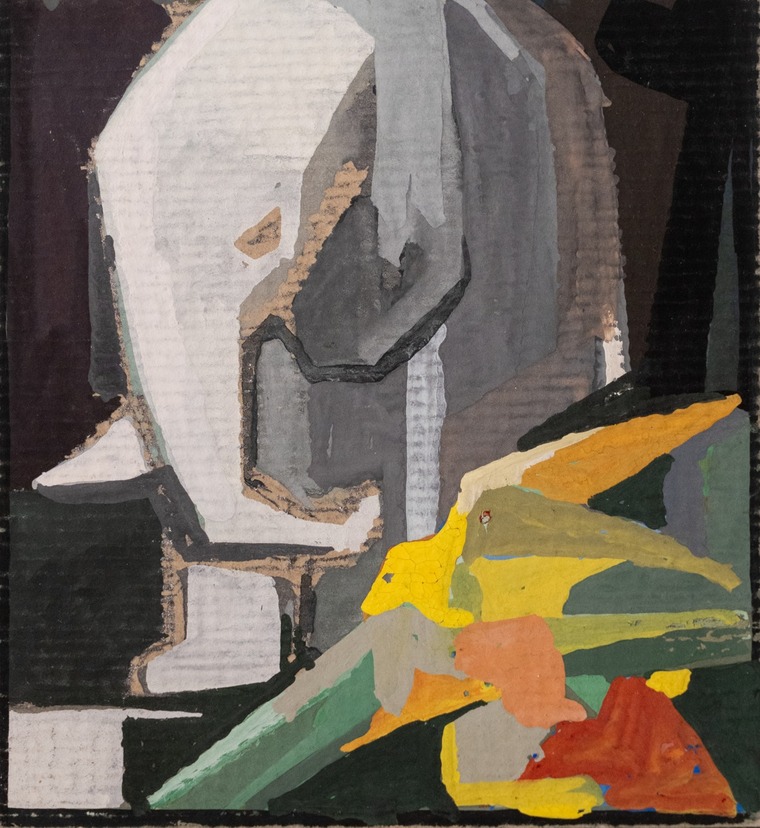
There are artists whose careers remain little known, of whom only a few scattered fragments remain today, giving a vague idea of their output. Such is the case with Suzanne Boscheron and her nascent body of work.
Suzanne Boscheron
(Aachen, 1900–Burnontige, 1944)
The Elephant, between 1928 and 1931
Gouache on cardboard
11 x 10 cm
Inv. VIII 21/8557
Donated by Alain Meyst, 2021
Pour nos enfants (magazine)
11 September 1936
Scarce archival documents reveal that she trained in painting, drawing and the decorative arts at the Académie Royale des Beaux-Arts in Liège, where her teacher was Émile Berchmans. She was awarded the First Prize of the Academy of Drawing and the Gustave Halbart Prize in June 1931 (La Meuse, 10 June 1931). She was also a pupil of Jean Donnay and distinguished herself through the elegance and quality of her modernist-style linocuts, typical of the 1930s In this regard, she drew inspiration from the linocuts of Frans Masereel. She exhibited at the Salle Lutétia in Liège in 1935, showcasing her gouaches, which were described as possessing ‘a great sense of decoration and genuine distinction’ (Le Thyrse, p. 156). In 1936, she contributed illustrations to texts by authors of children’s literature, particularly fairy tales, for the magazine ‘Pour nos enfants’ (10 April and 11 September). Her talent was multifaceted and heralded a promising future as an artist.
Yet today, her name has left its mark on history for an entirely different reason. As a member of the Secret Army during the Second World War, she took on the role of a nurse in the Resistance. On the night of 2 September 1944, following the German attack on the ‘Heid des Gades’ (Ferrières) maquis camp, the region came under close scrutiny. The Germans raided the Hôtel Gaiemont (Burnontige) and discovered a clandestine hospital for resistance fighters there. The three nurses present at the scene — Suzanne Boscheron, Josette Petit and Hortense Swinnen — were shot on the spot, as the memorial stone honouring them states.
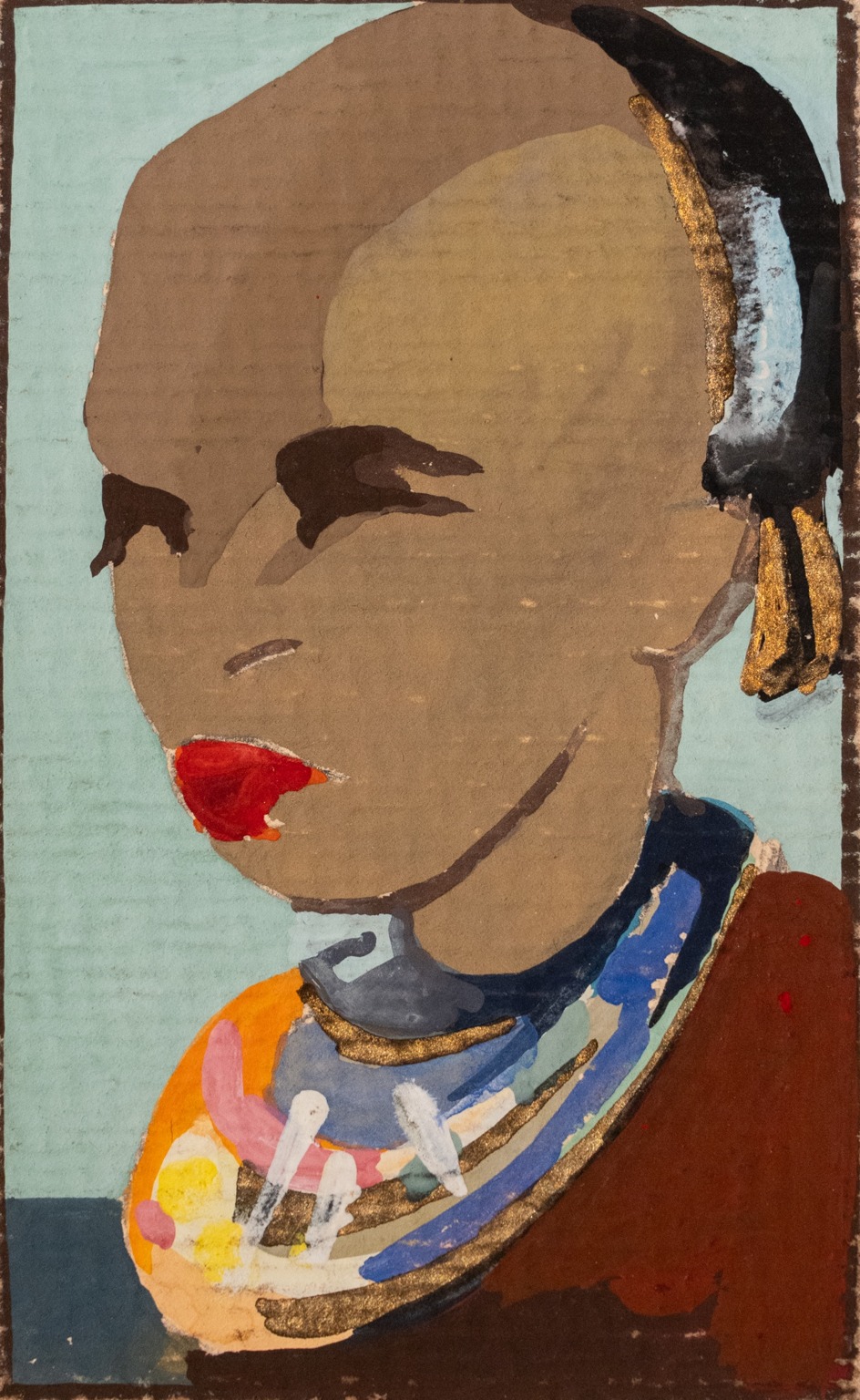
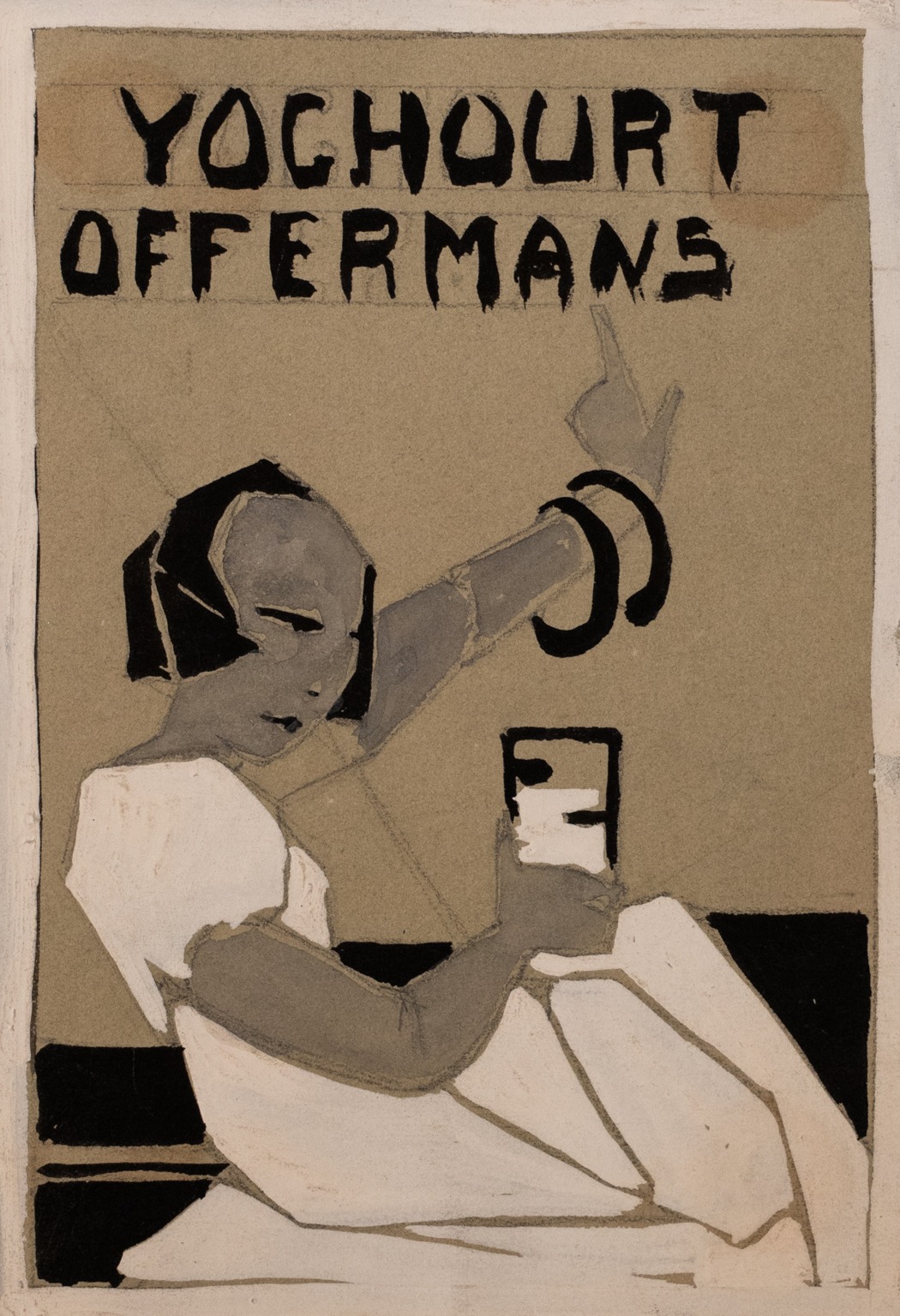
In 2021, Alain Meyst, then employed at the Musée des Beaux-Arts in Liège, rescued a folder containing around fifty of the artist’s gouaches, dated between 1928 and 1931, from destruction on rubbish collection day. He subsequently donated it to the museum. These are preliminary works : preparatory sketches for advertising, watercolour landscapes, decorative still lifes, a few religious scenes and portraits of exotic scenes. The artist also produced book illustrations, such as those featured in Hyacinthe Maréchal’s book or in the magazine ‘Pour nos enfants’. It is likely that in the future further biographical details or even other works by this artist will be discovered.
Bibliography
Charles Delchevalerie, « Les graveurs liégeois », dans Les arts en Wallonie 1918–1946, Cahiers du Nord, Bruxelles, 1947, p. 194.
Robert Lemarchal, Quelques familles de Verviers, éditions Gérard et Company, s.l., 1951, p. 201.
Émile Witmeur, Essai sur la vie et la mort de Léon Stas, Liège, 1946, p. 99.
Le Thyrse (recueil mensuel de philosophie, art et littérature), volume 37, Bruxelles, 1935, p. 156.
Hyacinthe Maréchal, La vie mystérieuse de Notre-Dame, Éditions du Cerf, Paris, 1934.
Captions
| African Woman, between 1928 and 1931 Gouache on cardboard 12 x 7.3 cm Inv. VIII 21/8560 Donated by Alain Meyst, 2021 | Yoghourt Offermans, between 1928 and 1931 Pencil, gouache and Indian ink on cardboard 15 x 10 cm Inv. VIII 21/8567 Donated by Alain Meyst, 2021 |