History of the Collections
History
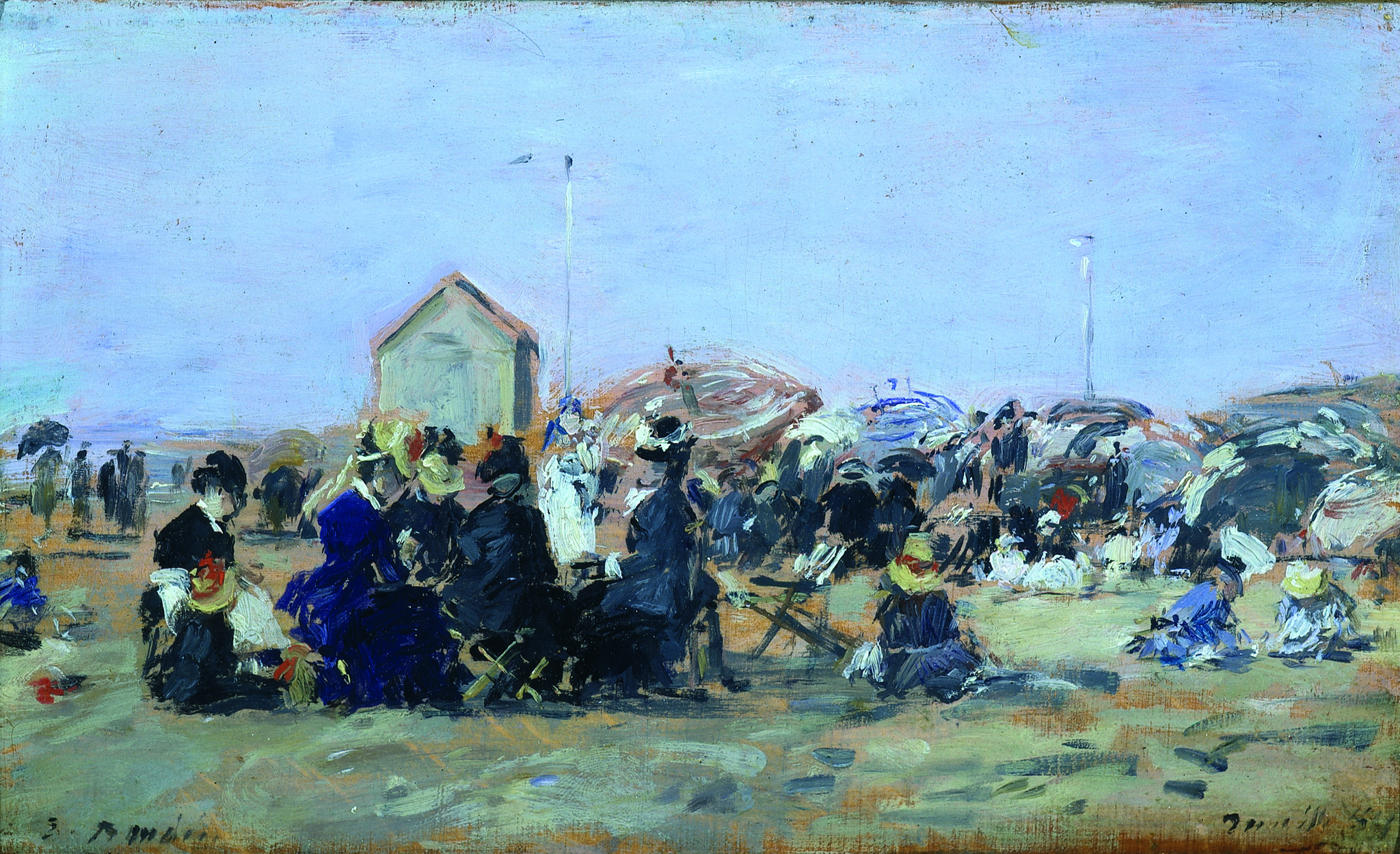
The collections began to be formed in the 18th century, driven by private collectors. In 1799, the Liège canon Henri Hamal (1744–1820) donated over 8,000 drawings and engravings to the City, most of which had been collected in Rome, to serve as models for the Academy of Fine Arts; this collection still forms the core of the Print and Drawing Gallery, established in 1952. In 1819, Louis-Pierre Saint-Martin donated over 50 paintings, forming the core of the collections of the Museum of Fine Arts. In the 19th century, the collections were further enriched: in 1887, Léopold Donnay bequeathed nearly 300 works, including 9 paintings by Eugène Boudin; in 1900, Eugène Dumont donated 39 paintings (including Claude Monet’s The Trade Basin at Le Havre, and then Charles-Joseph Horion donated nearly 600 antique engravings. The expansion continued until 1938 with the museum’s regular acquisition of modern works by French artists, and more specifically from the École de Paris.
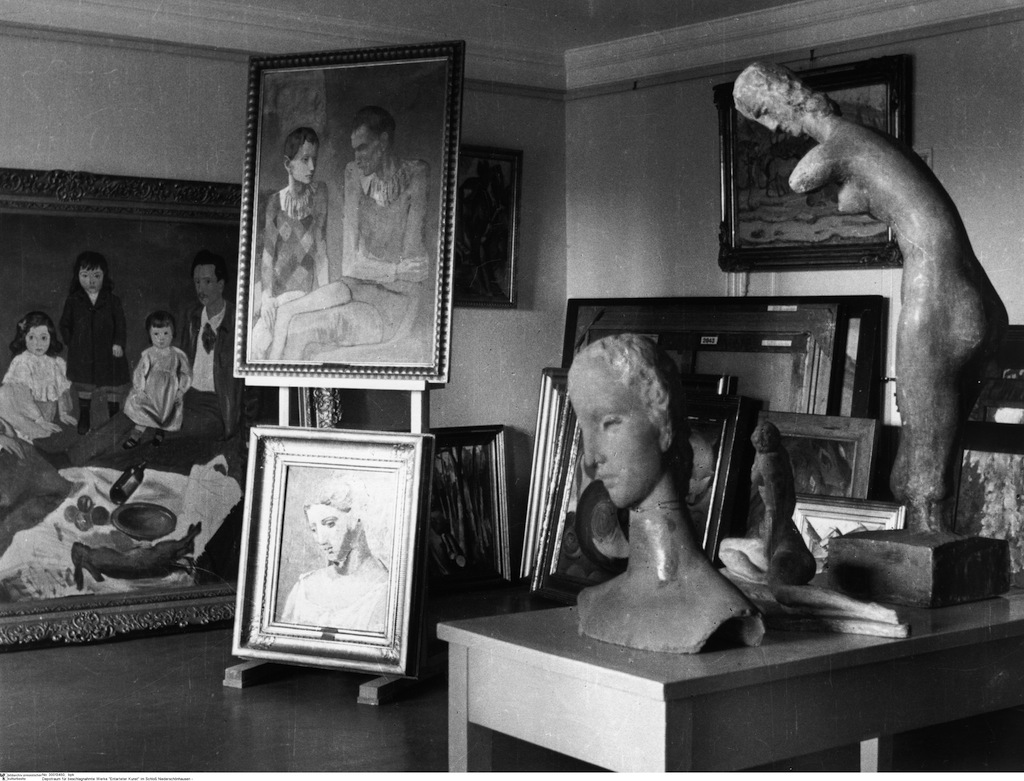
Between 1930 and 1940, this ambitious acquisition policy gave the collections an international dimension: in 1938, the City of Liège acquired works by Friesz, Marquet, Valadon and Vlaminck, amongst others; in 1939, it purchased nine paintings (by (Picasso, Gauguin, Ensor, Laurencin, Marc, Kokoschka, Lieberman, Pascin, Chagall) at the ‘Degenerate Art’ sale at the Fischer Gallery in Switzerland, demonstrating its full support for modern art, and then continued its acquisitions in galleries in Paris (Ensor, Friesz, Gromaire, Guillaumin, Picart Le Doux, Signac, Utrillo, Van Dongen, Vlaminck), confirming its interest in modern art.
In 1959, the City acquired 800 Renaissance drawings from the studio of Lambert Lombard (from the Arenberg Album), supplemented in 2000 by the Clérembault Album (on loan from the King Baudouin Foundation).
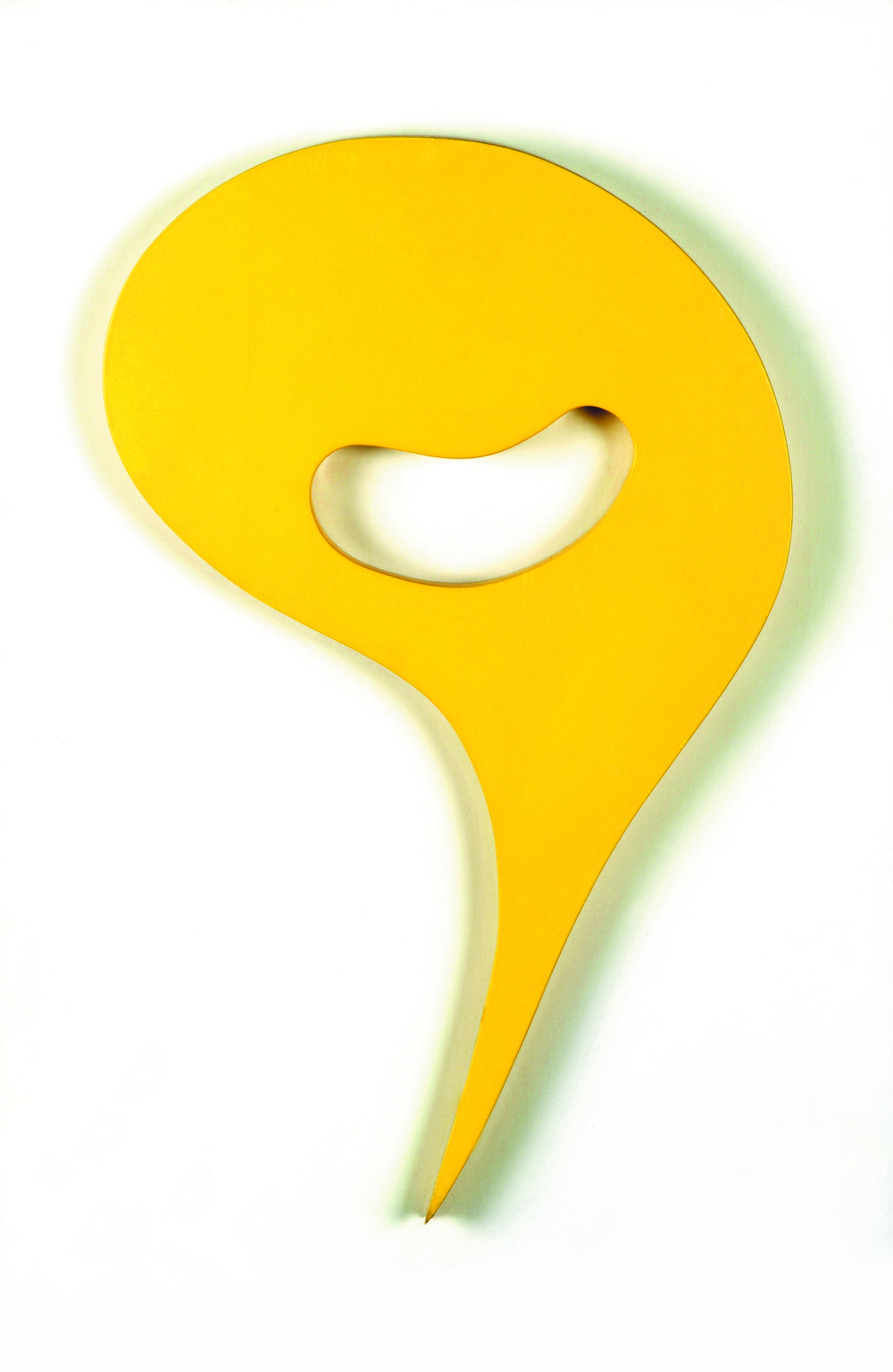
Finally, between 1974 and 1984, the Walloon art collections were enriched by donations from Désiré Jaumain and Ada Jobart (in 1974, including works by Wouters, Ensor and Wiertz), from André Brabant (in 1980, who donated some fifty paintings from Liège’s Golden Age) and from Paul Dony (in 1984, 279 works of early Flemish and Expressionist painting). From the 1980s onwards, the collections began to embrace modern and contemporary art more widely. In 1981, the collector and patron Fernand Graindorge, former president of the A.P.I.A.W. (Association for Intellectual and Artistic Progress in Wallonia), donated 70 works from his collection to the French Community, which were subsequently placed on loan at the Museum of Modern Art. This loan enabled the Liège collections to fully embrace the field of contemporary art, featuring works by artists such as Alberto Magnelli, Jean Arp and Anna-Eva Bergman.
Further additions enriched the collections: various contemporary trends were thus represented and complemented by numerous other acquisitions made by the museum. These include Valerio Adami and Jacques Monory for narrative figurative art; Nicolas de Staël, Bram Van Velde and Antoni Tàpies for informal abstraction; and the most distinctive trends of the time, represented by Gilbert & Georges, Dan Van Severen and Michel Seuphor. The collections expanded, and renowned international artists were subsequently included. This was the case with Sol LeWitt, whose Wall Drawing was brought into the La Boverie building in 1985 following a renovation. ALPAC (the Liège Association for the Promotion of Contemporary Art) was founded in 1985. It took over from the A.P.I.A.W., whose momentum began to wane in the 1990s. ALPAC ceased its activities in 2019 and used its financial assets to acquire 11 works by contemporary Liège artists, which were added to the collections of the Museum of Fine Arts.
Finally, the collections are also enriched by rare bequests. Recently, in 2018, the Fondation Liège-Patrimoine received a bequest from Gérard Lefèvre comprising 160 pieces, consisting mainly of works on paper, but also including sculptures, ceramics and a few oil paintings on canvas. In 2019, the bequest from Janine Redding-Piette added a collection of 24 works, consisting mainly of oil paintings on canvas. Some acquisitions also stem from major exhibitions held at La Boverie.
Today, the Liège Museum of Fine Arts holds over 40,000 works, covering a broad spectrum spanning from the 16th century to the contemporary era.