History
The Liège Museum of Fine Arts has a turbulent history, marked by divisions, mergers, relocations and renovations.
For over a century, its collections have continued to evolve, in step with the cultural choices and transformations of the city of Liège.
Key Dates
Before the 20th : The collections were itinerant. At times housed in the Town Hall, then in the former Saint-André Church or the Halle aux Drapiers.
1903 :Creation of the museum of Fine Arts in a building adjoining the Academy.
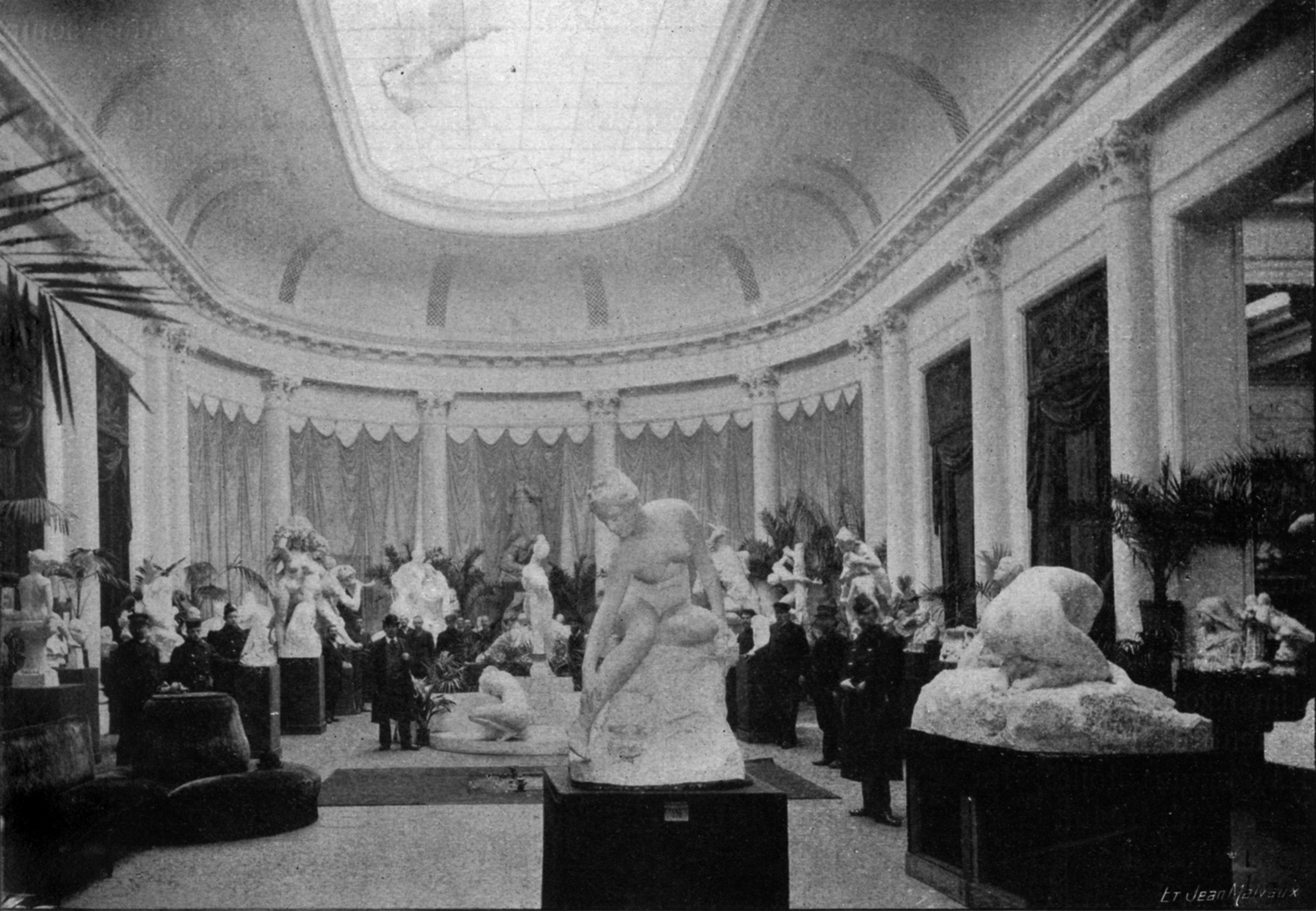
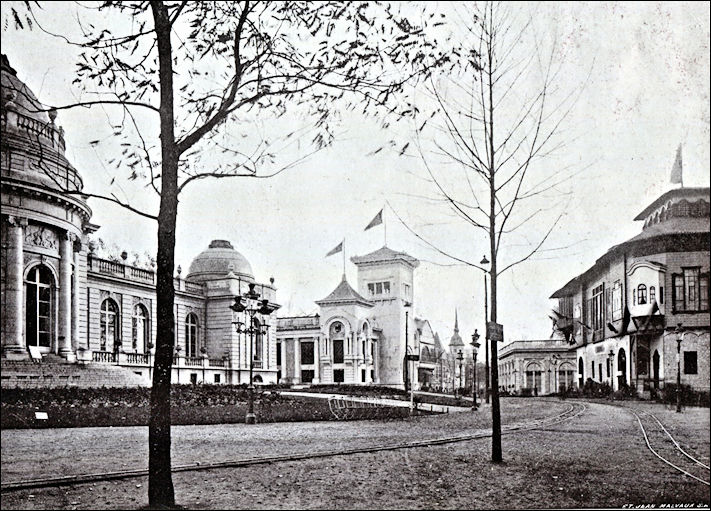
1905 : Inauguration of the Centre for Fine Arts (Palais des Beaux-Arts) for the Liège World’s Fair in la Boverie park.
1914-18 & 1940-45 : The Germans invade the building
1952 : Feeling of excitement in Wallonia with the division of the collections and the creation of the Walloon Art museum, located in la Boverie park, with the Prints and Drawing Room.
1958 : The Palais des Congrès (Convention center) is built in the park.
1961 : The Schöffer Tower is erected in La Boverie park.
1981 : A new museum complex is created in the city center (Ilot Saint- George) to host the Walloon Art Museum. The fine arts collections, not including «Walloon art», are housed in La Boverie museum, which becomes the modern art museum. 1993 After restoration, La Boverie museum becomes the musée d’Art moderne et d’Art contemporain (contemporary and modern art museum).
2011 : Creation of the BAL [Liège Fine Arts museum] housing all the collections: Walloon art, ancient art, modern art, contemporary art, print and drawings room in the city center complex (Ilot Saint-Georges).
2015 : Signature of a 10-year partnership agreement with the Louvre Museum
2016 : Inauguration of La Boverie museum, 111 years after the inauguration of the Palais des Beaux- Arts
History of the building
At the start of the 19th century, nobody could have imagined that the Parc de la Boverie would be, two centuries later, at the heart of Liège’s transformation. At the time, this district was made up of meadows, islands and hops fields. It was transformed in 1853 with the works to divert the river Meuse. Quays were built there; the park and the green islands disappeared.
The Universal Exhibition of 1905 involved other infrastructural works which completed its new appearance. The correction of the course of the Ourthe, the construction of the Fragnée and Hennebique bridges and, above all, the building of the Palais des Beaux-Art are testimonies from this period that are still visible today.
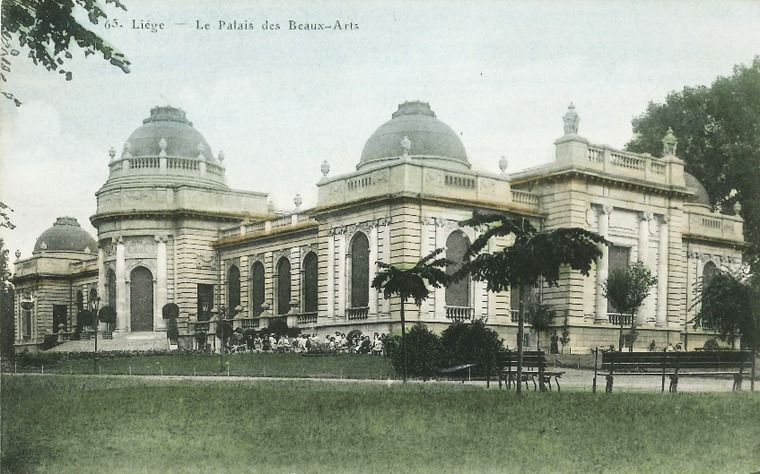
Designed by the architects Jean-Laurent Hasse and Charles Soubre, the building of the Palais des Beaux-Arts ascribes to a neo-classical style, influenced by the architecture that was in vogue during the reign of Léopold II. Inspired by the Petit Trianon at Versailles, the building is organised around a central rotunda covered with a cupola. After the Universal Exhibition, the site was ceded to the City of Liège by the organising committee. From 1930 onwards, the palace housed the collection of the Musée de l’Art wallon and, from 1950, the collections of the Musée d’Art Moderne, until 2011.
Rudy Ricciotti in association with the Liégeois architects’ office p.HD. These developments are a reflection of Ricciotti’s creative power and construction knowledge. With a surface area of 1200m², 7m 50 high, the new wing that he has designed overhangs the river diversion and completes the renovated old building.
Ricciotti says of this measured intervention: “what I think about Liège is, La Boverie is a real territory, an extremely romantic territory. The museum existed and I didn’t want to martyr this building or take it hostage. I proceeded very modestly, as one respects an ancestor.”